Signs It May Be Time for a Tub to Shower Conversion
Noticing safety concerns, difficulty entering or cleaning your tub, or outdated design are signs it may be time for a tub to shower conversion, and local contractors can assist.
If a bathroom has a bathtub that’s showing signs of wear, difficulty in entry, or is no longer meeting the needs of the household, it may be time to consider a tub to shower conversion. Property owners in the area who notice issues such as chipped or stained surfaces, limited accessibility, or a lack of modern features might find that upgrading to a shower provides a more practical and functional solution. Exploring these signs can help determine whether a conversion could improve the bathroom’s appearance and usability, making daily routines more convenient.
Local contractors who specialize in tub to shower conversions are equipped to handle a variety of situations that signal it’s time for an upgrade. Whether due to safety concerns, space constraints, or simply a desire for a more contemporary look, these service providers can assess the current setup and recommend appropriate solutions. Keep reading to learn more about the common indicators that suggest a bathroom upgrade is worth exploring, and how trusted local professionals can assist in creating a more accessible and attractive bathing space.
- Tub to shower conversion - when a bathtub becomes difficult to access or maintain, local contractors can provide accessible shower replacements that improve safety and convenience.
- Bathroom remodeling - during bathroom upgrades, service providers often recommend replacing a tub with a shower to maximize space and modernize the layout.
- Water damage repair - signs of water leaks or damage around a tub may lead local pros to suggest a conversion to prevent further issues and enhance bathroom integrity.
- Accessibility upgrades - for those with mobility concerns, local contractors can convert tubs into walk-in showers that offer safer, easier use.
- Outdated fixtures - when a bathtub shows signs of wear or outdated design, service providers can assist with conversions to improve both function and style.
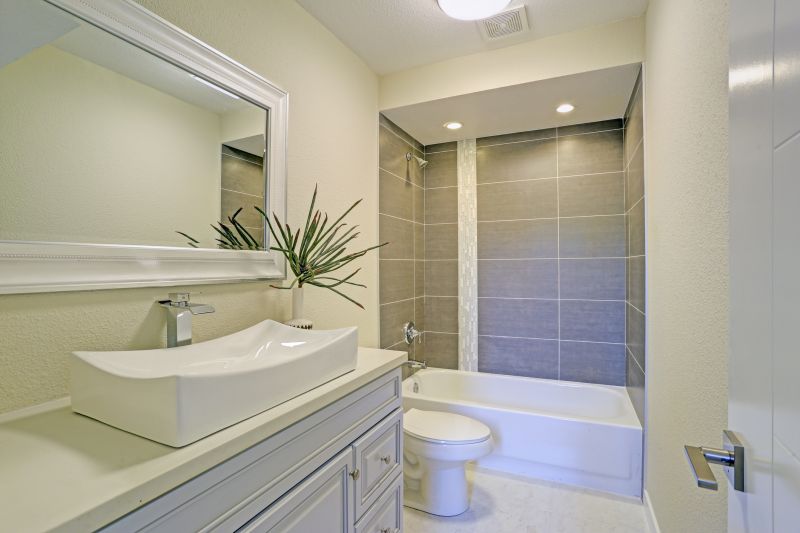
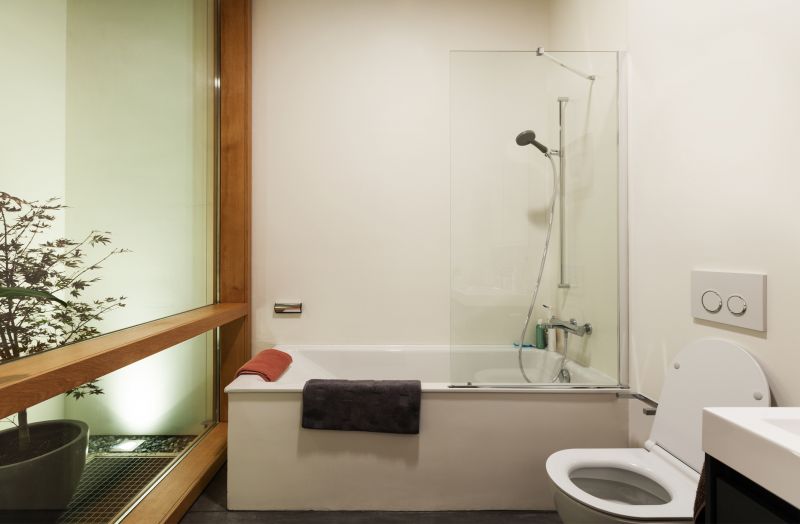

When homeowners begin to notice certain issues or inconveniences with their existing bathtub, they often start searching for signs it may be time for a tub to shower conversion. Common indicators include difficulty stepping into or out of the tub, especially for those with mobility challenges or injuries. Over time, a bathtub that becomes slippery, chipped, or stained can also signal the need for a more accessible and functional shower setup. Many people consider this type of conversion when they want to improve safety, increase convenience, or modernize their bathroom space, making it more suitable for their changing needs.
This topic often relates to practical problems like limited bathroom space, the desire for easier cleaning, or the need to accommodate aging-in-place modifications. For example, a homeowner with a small bathroom might find that a shower stall takes up less room and offers better accessibility. Others may be planning a bathroom remodel to enhance safety features, such as installing grab bars or slip-resistant flooring, which are easier to incorporate in a shower than a traditional tub. Additionally, some property owners might be considering a tub to shower conversion as part of a broader upgrade to boost home value or update outdated fixtures, aligning with their long-term plans for the space.
The types of properties that typically come up in discussions about tub to shower conversions include older homes with vintage bathrooms, which often feature bulky, less accessible tubs. Many of these properties are located in neighborhoods with a mix of single-family houses and multi-unit buildings where space efficiency and accessibility are priorities. Additionally, properties that have seen little renovation in recent years may have bathrooms with outdated designs or damaged fixtures, making a conversion a practical solution. Whether in a suburban house or a condominium, these conversions are often sought to improve daily functionality and adapt the bathroom to the evolving needs of the household.
Local service providers who specialize in tub to shower conversions play a key role in turning these plans into reality. They can assess the existing bathroom layout, recommend suitable shower designs, and handle the installation process efficiently. These professionals are familiar with the different types of shower enclosures, fixtures, and accessible features that can be integrated into a bathroom space. Homeowners interested in making such a change should consider reaching out to experienced contractors who understand local building codes and can deliver a seamless transition from a bathtub to a functional, stylish shower. Connecting with the right local pros ensures that the project is completed to meet both practical needs and aesthetic preferences.
Bathroom Remodeling Projects - These projects often involve updating fixtures and layouts, requiring similar planning and skillsets as a tub to shower conversion to improve accessibility and aesthetics.
Walk-in Shower Installations - Installing walk-in showers involves similar plumbing and tiling work, making it related to converting a bathtub into a more functional shower space.
Bathroom Accessibility Upgrades - Enhancing bathroom safety and accessibility through modifications can include replacing tubs with showers to better accommodate mobility needs.
Tile and Surface Renovations - Replacing or updating bathroom surfaces is common in shower conversions, requiring expertise in waterproofing and surface preparation.
Bathtub Replacement Services - These services often include removing old tubs and installing new fixtures, paralleling the work involved in tub to shower conversions.
Shower Enclosure Installations - Adding or upgrading shower enclosures involves similar framing and sealing techniques used in converting tubs to showers for a seamless look.

When evaluating service providers for a tub to shower conversion, it is important to consider their experience with similar projects. Homeowners should inquire about how many conversions they have completed and whether they are familiar with the specific challenges that can arise during such renovations. An experienced contractor will have a better understanding of the necessary materials, design options, and installation techniques, which can contribute to a smoother process and a more satisfactory outcome. Checking references or reviews from previous clients who have had comparable work done can provide insight into their expertise and reliability, helping homeowners feel more confident in their choice.
Clear written expectations are essential when comparing local contractors for a tub to shower conversion project. Service providers should be able to outline the scope of work, materials to be used, and the estimated process from start to finish. A detailed proposal or contract can help prevent misunderstandings and ensure that both parties are aligned on project goals. Homeowners should ask potential contractors how they plan to handle potential issues or changes that might arise during the job, and whether there will be a designated point of contact for updates. Having these expectations documented in writing fosters transparency and helps set realistic goals for the project.
Good communication and reputable references are key factors in selecting a dependable service provider. Contractors who prioritize clear, consistent communication can make the process more manageable and less stressful for homeowners. Asking for references or testimonials from previous clients can provide valuable feedback on the contractor’s professionalism, responsiveness, and quality of work. Homeowners should look for service providers who are open to answering questions, providing updates, and addressing concerns throughout the project. This level of communication and positive references can be indicative of a contractor’s commitment to customer satisfaction and their ability to deliver a successful tub to shower conversion.
Property owners often search for signs it may be time for a tub to shower conversion when they are planning practical projects around their homes and businesses. Local pros provide Tub to Shower Conversion services for everyday jobs and straightforward project options.
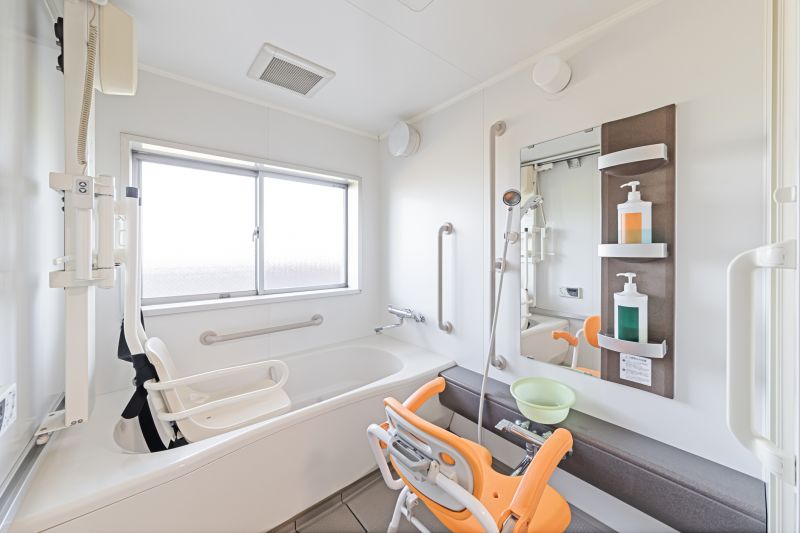
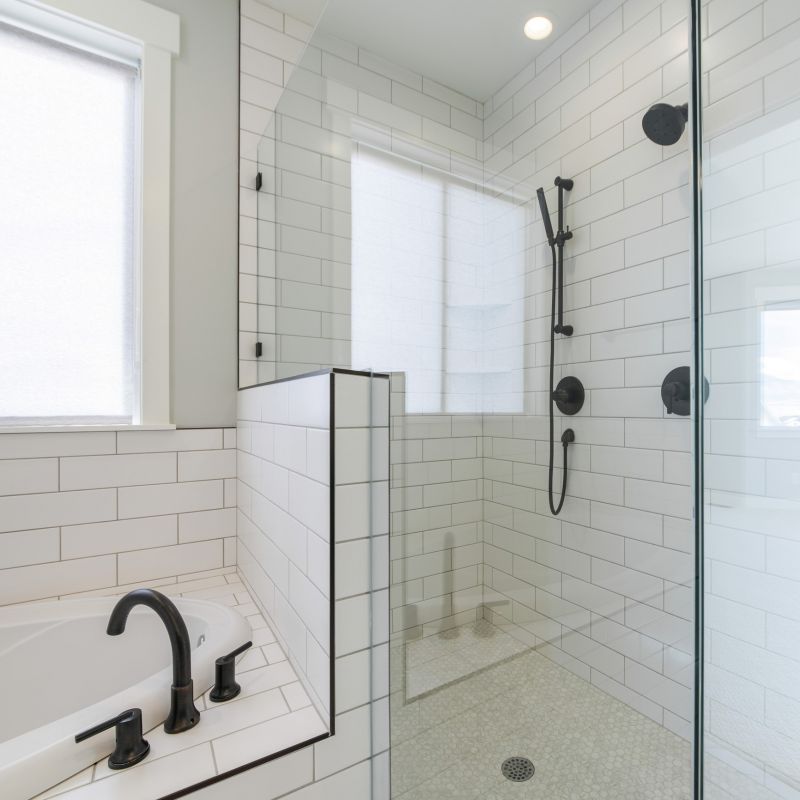
Many property owners notice that their existing bathtub is becoming less practical or more difficult to use as time goes on. Cracks, chips, or signs of wear may indicate that the tub is nearing the end of its lifespan, prompting consideration of a conversion to a shower. Additionally, limited space or accessibility challenges can make a traditional tub less suitable, especially for individuals with mobility concerns. In such cases, local contractors specializing in tub to shower conversions can help transform the bathroom to improve convenience and functionality.
Another common reason to explore a tub to shower conversion is the desire for a more modern, streamlined bathroom appearance. Outdated or bulky tubs can detract from the overall aesthetic, and replacing them with a sleek shower setup can refresh the space. Property owners who are looking to make their bathrooms more accessible or easier to clean often turn to local service providers for expert guidance and installation. These professionals can assist in creating a safer, more functional bathroom environment tailored to individual needs.
What are common signs that a bathtub may no longer be suitable for use? Signs it may be time for a tub to shower conversion include difficulty entering or exiting the tub, cracks or damage to the tub surface, and a general feeling of discomfort or safety concerns during use, prompting homeowners to seek services from local contractors.
When should homeowners consider replacing a bathtub with a shower? Homeowners might consider a conversion if the tub has become outdated, difficult to clean, or if mobility issues make using a traditional tub unsafe, leading them to consult local service providers for options.
How can visible damage indicate the need for a tub to shower conversion? Visible damage such as extensive cracks, chips, or mold growth can make a tub less functional and more difficult to maintain, encouraging homeowners to explore conversion services offered by local contractors.
Are there comfort or accessibility issues that signal it’s time for a conversion? Yes, if getting in and out of the tub is challenging or if the space feels cramped, these are signs that a shower installation might improve accessibility, prompting homeowners to contact local pros for assistance.
What safety concerns might suggest it’s time to switch from a tub to a shower? Safety concerns like slipping hazards, difficulty stepping over the tub edge, or the presence of mold and mildew can indicate a conversion is needed, and local service providers can help make the bathroom safer and more accessible.
Limited Accessibility - When a bathtub becomes difficult to step into or out of, local contractors can help by installing a more accessible shower setup.
Cracked or Damaged Tub - Signs of wear or damage in the tub can be addressed by replacing it with a modern shower during a conversion project.
Changing Lifestyle Needs - As mobility or health needs evolve, local pros can assist with converting the tub to a shower for easier use.
Outdated Bathroom Design - An aging bathtub may no longer suit current preferences, and a professional conversion can update the space efficiently.
If you are thinking about signs it may be time for a tub to shower conversion for a property, this guide is meant to help you understand this topic, the typical project types, and how different options might fit your plans.
When you are ready, you can use the quote form on this page to share a few details about your project. From there, local pros can review the basics and follow up with options that match what you have in mind.