Compare Local Contractors for Your Tub Conversion Project
Compare local contractors for tub conversion to define scope, verify experience, and ensure clear expectations before choosing the right service provider.
Tub conversion projects typically involve transforming an existing bathtub into a different type of bathing area, such as a walk-in shower or a more accessible tub. This work often includes removing the current fixture, preparing the space to accommodate new features, and installing the chosen bathing solution. Depending on the scope, contractors may also handle related tasks like plumbing modifications, wall repairs, waterproofing, and ensuring the new setup meets any relevant building standards. Clarifying the specific work involved helps property owners understand what to expect and ensures the project aligns with their needs.
Defining the scope of a tub conversion is essential for establishing clear expectations and preventing misunderstandings. Property owners should specify details such as the type of new fixture, any structural adjustments, plumbing changes, and finishes desired. Having these details in writing provides a reference point for discussions with contractors and helps ensure that everyone is aligned on the work to be performed. A well-defined scope also supports accurate comparisons among local service providers, making it easier to evaluate their experience and the services they offer.
When comparing local contractors for tub conversion work, property owners should consider experience with similar projects, the range of services offered, and the clarity of their communication. It’s helpful to verify how each contractor approaches project planning, whether they provide detailed written descriptions of scope, and how they handle questions or modifications. Gathering information about their previous work, understanding their process for defining scope, and confirming their familiarity with local building codes can assist in making an informed decision. This approach ensures that the chosen service provider is well-equipped to handle the specific requirements of the project.
Compare local contractors by outlining your project priorities, verifying experience, and setting clear expectations in writing.
- Verify Experience - ensure contractors have relevant experience with tub conversions to meet project requirements.
- Define Scope Clearly - establish detailed project scope to set expectations and prevent misunderstandings.
- Compare Multiple Contractors - evaluate local service providers based on expertise, reputation, and service offerings.
- Get Written Agreements - document all project details and expectations to promote clarity and accountability.

Before comparing contractors, clearly describe your tub conversion project, scope, and expectations to ensure informed choices.
- Verify the contractor’s experience with tub conversions to ensure familiarity with similar projects. - Look for service providers who can clearly define the scope of work and outline the specific tasks involved.
- Compare different contractors to understand their approaches and methods for tub conversions. - Ensure that each contractor provides a detailed written estimate of the work to be performed.
- Assess the contractor’s ability to communicate project expectations and deliverables in writing. - Confirm that all project details, including materials and finishes, are documented in the contract.
- Check for references or reviews related to tub conversion projects completed by the contractor. - Seek feedback on the contractor’s reliability, quality of work, and professionalism.
- Discuss the contractor’s process for handling potential issues or changes during the project. - Clarify how modifications will be managed and documented to prevent misunderstandings.
Use Tub Conversion to compare local contractors, clarify project scope, and verify their experience.


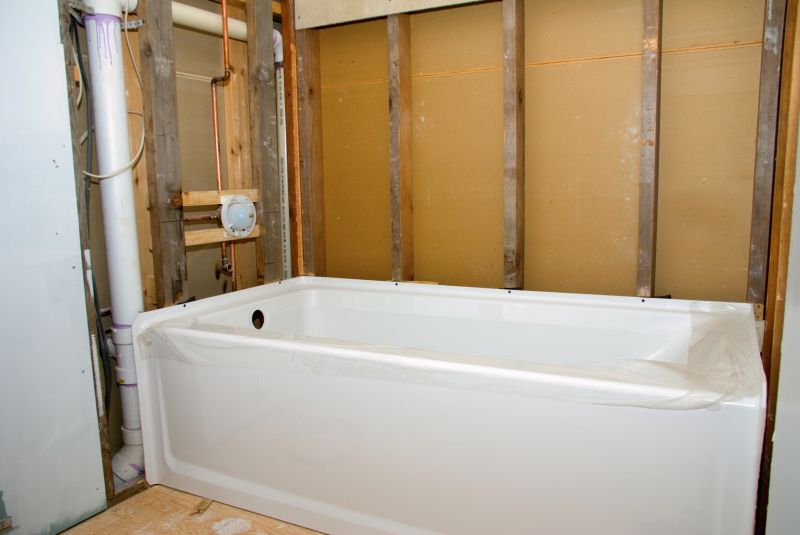

Use consistent comparison criteria across local contractors by clearly defining scope, verifying experience, and documenting expectations in writing.
- Scope Definition - Clearly outline the specific tasks involved in the tub conversion project, including demolition, framing, plumbing, and finishing work.
- Material Selection - Specify the types of materials and fixtures to be used for the new tub, surround, and any additional features.
- Experience Verification - Confirm that local contractors have relevant experience with tub conversions and familiarity with the chosen materials and methods.
- Work Specifications - Detail the expected work processes, including preparation, installation procedures, and any necessary modifications to existing structures.
- Written Agreement - Ensure all scope details, responsibilities, and expectations are documented in a formal agreement before work begins.
When evaluating contractors for a tub conversion, it’s important to consider their experience with similar projects. Homeowners should inquire about the number of conversions they have completed and ask for details about the types of bathrooms they’ve worked on. Contractors with a proven track record in tub conversions are more likely to understand the specific challenges involved and deliver a result that meets expectations. Confirming their familiarity with the scope of work involved can help ensure that the project will proceed smoothly and efficiently.
A clear, written scope of work is essential for a successful tub conversion. Homeowners should seek contractors who provide detailed descriptions of the services included, such as demolition, plumbing adjustments, surface preparation, and installation. Having a comprehensive scope in writing helps set clear expectations and minimizes misunderstandings. It also provides a basis for comparing different service providers, making it easier to identify those who are thorough and transparent in their approach.
Verification basics are key when selecting a contractor for this type of project. Homeowners should verify that the service providers have appropriate experience handling tub conversions similar to their own. Asking for references or examples of completed work can provide insight into the quality and reliability of the contractor. Additionally, confirming that the contractor is willing to provide detailed proposals or written agreements can help ensure that all aspects of the project are understood and agreed upon before work begins.
When comparing options among local contractors, it’s important to focus on how well each one communicates and documents their approach. Look for service providers who are willing to provide detailed written descriptions of their scope of work, clarify the steps involved, and answer questions about the process. Evaluating their level of transparency and professionalism can help homeowners choose a contractor who demonstrates a clear understanding of the project requirements and a commitment to delivering quality work. This careful comparison can lead to a more confident decision and a smoother conversion process.
Ask contractors to provide written scope details to ensure clear understanding and consistent expectations throughout the project.
- Experience and Expertise - What specific experience do the local contractors have with tub conversions similar to this project?
- Scope of Work - How do the contractors define the scope of the tub conversion, and what tasks are included or excluded?
- Materials and Methods - What materials and installation methods do the service providers recommend for the conversion?
- Project Expectations - How will the contractors clarify the project requirements and set expectations in writing?
- Comparison Criteria - What criteria should be used to compare different local contractors beyond pricing and timelines?
What should I consider when choosing a contractor for a tub conversion? It’s important to compare the experience, reputation, and scope of services offered by different local contractors to find a provider that matches the specific needs of the project.
How can I verify a contractor’s experience with tub conversions? You can review their portfolio, ask for references, or check their work history to ensure they have relevant experience handling similar projects.
What details should be included in a project scope when working with a contractor? Clearly outline the desired changes, materials, fixtures, and any specific design preferences to ensure mutual understanding before work begins.
Why is it important to get a written agreement with a contractor? A written agreement helps define project expectations, scope, and responsibilities, reducing the potential for misunderstandings or disputes.
How can I compare different contractors effectively? Consider their experience, reputation, scope of services, and the clarity of their proposals to make an informed comparison.
What questions should I ask a contractor during the selection process? Ask about their previous experience, how they handle project scope, and how they communicate project details to ensure they meet your expectations.
By exploring the details of tub conversion projects, visitors can gain a clearer understanding of what to expect when working with local contractors. Learning how to define the scope of work, verify experience, and set clear expectations in writing helps ensure a smoother process and better results. Taking the time to compare options among service providers can lead to more informed decisions tailored to specific needs.
To connect with qualified local contractors for tub conversions, it’s recommended to use the quote form to compare different options in the area. This approach provides an opportunity to evaluate various service providers and find the right fit based on the project scope and individual preferences.